Your First Crown Awaits: The Insider's Complete Preparation Guide for Transgender Pageant Competitors
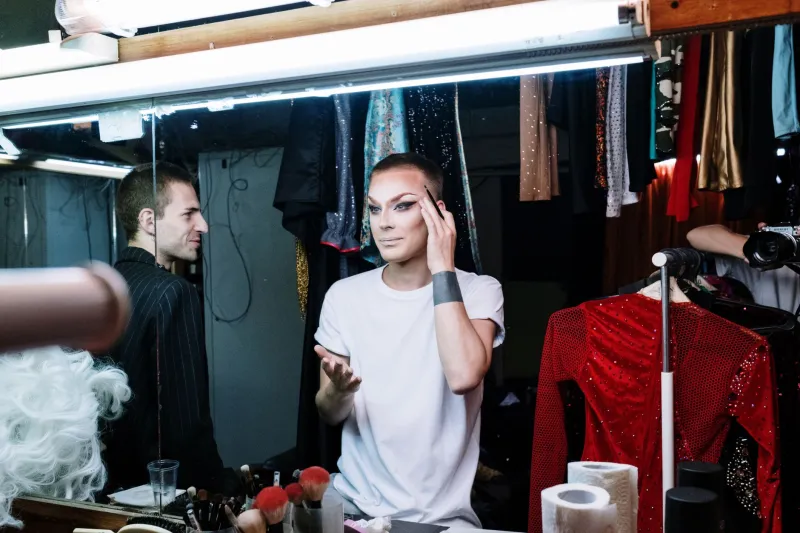
Deciding to compete in a transgender pageant for the first time is an act of courage that deserves to be met with substantive, practical support. The Miss Trans Star International community understands that the distance between inspiration and the stage can feel daunting — not because aspiring competitors lack the talent or presence, but because the landscape of pageant preparation is rarely explained with the clarity and specificity that first-time contestants genuinely need.
This guide exists to close that gap. What follows is a thorough, honest, and encouraging roadmap for anyone preparing to enter their first transgender pageant competition. Whether you are a year out from your debut or a few months away, the principles and strategies outlined here will serve as your foundation.
Understanding the Pageant Landscape Before You Compete
Not all pageants are structured identically, and understanding the distinctions before you commit to a competition will save you considerable time, money, and energy. Transgender pageants vary in their categories, eligibility requirements, judging philosophies, and community cultures. Miss Trans Star International, for instance, emphasizes a holistic model of excellence that weighs personality, talent, advocacy, and presentation in concert — rather than privileging any single dimension of a competitor's identity.
Before registering for any competition, obtain a copy of the official rules and scoring rubric. Review the categories carefully: most transgender pageants include some combination of evening gown, activewear or casual wear, a talent segment, and a personal interview or onstage question. Some competitions also include a swimwear or resort wear category. Knowing precisely what will be evaluated allows you to allocate your preparation time with intention rather than anxiety.
It is also worth researching the pageant's reputation within the transgender community. Speak with past competitors if possible. A competition's culture — the degree to which it is genuinely supportive versus purely competitive — will significantly shape your first experience.
Physical Preparation: A Thoughtful, Sustainable Approach
Physical preparation for pageant competition is not about conforming to a singular beauty standard. It is about presenting the most vibrant, healthy, and confident version of yourself. That distinction matters enormously, and it should anchor every decision you make in this area.
Begin with your skincare regimen well in advance of competition — ideally three to six months out. Consistent hydration, sun protection, and a routine suited to your specific skin type will yield far more reliable results than last-minute interventions. Consult with a licensed esthetician if your budget allows; many offer services specifically tailored to transgender clients and can address concerns related to hormonal skin changes with particular expertise.
Fitness preparation should be approached with similar intentionality. Rather than pursuing dramatic physical transformation in a compressed timeframe, focus on building strength, improving posture, and increasing your stamina for the physical demands of competition day — which frequently involves extended periods of standing, walking in heels, and performing under warm stage lighting. Yoga, pilates, and targeted strength training are all excellent complements to pageant preparation.
If you are currently undergoing hormone therapy or have had gender-affirming procedures, consult with your healthcare provider before making significant changes to your fitness or nutrition regimen. Your health is the foundation upon which everything else is built.
Wardrobe Selection: Dressing with Strategy and Authenticity
Your competition wardrobe is a form of communication, and every piece you select should speak clearly about who you are and what you bring to the stage. This is not the moment for outfits that merely meet the category requirements — it is the moment for garments that make a statement.
For evening gown, prioritize silhouettes that flatter your specific proportions and allow you to move with ease. A gown that photographs beautifully but restricts your stride or requires constant adjustment will undermine your stage presence. Work with a tailor whenever possible; even an off-the-rack garment can be transformed by precise alterations.
Color choices carry significant weight under stage lighting. Rich jewel tones, classic black, and bold metallics tend to read powerfully from a distance. Pastels and very light neutrals can wash out under certain lighting conditions, though a skilled stylist can advise you on how to compensate with accessories and makeup.
For each category, build a complete look — including shoes, jewelry, hair, and makeup — before competition day, and rehearse in the full ensemble. Walking in heels you have never worn before on competition day is a risk that preparation can entirely eliminate.
Interview and Onstage Question Coaching
The interview and onstage question segments are where many first-time competitors feel the greatest uncertainty — and where thoughtful preparation yields the most significant dividends. These segments are not designed to trick you or expose weakness. They are opportunities to communicate the depth, intelligence, and authenticity that no gown or talent performance can fully convey.
Begin by developing a clear, compelling personal narrative. Who are you? What experiences have shaped your perspective? What do you hope to contribute to your community? Practice articulating these answers in a conversational register — not as memorized speeches, but as genuine expressions of your values and vision. Judges are trained to recognize the difference.
Stay current with issues relevant to the transgender community, particularly those with national implications in the United States. Healthcare access, legal protections, representation in media and politics — these are topics that may arise in competition, and demonstrating informed, nuanced perspectives on them reflects well on both you and the platform you represent.
Seek out a coach or mentor with pageant experience if at all possible. Even a handful of mock interview sessions with someone who can provide honest, constructive feedback will dramatically improve your confidence and performance.
Mental Health and Emotional Preparation
Pageant competition, for all its glamour, is an emotionally demanding undertaking. The process of preparing for public judgment — even within a supportive, affirming community like Miss Trans Star International — can surface vulnerabilities that deserve care and attention.
Establish a robust support system before competition season begins. Whether that means regular sessions with a therapist, consistent communication with trusted friends, or active engagement with online and in-person transgender community groups, having people who can offer grounded perspective during high-stress moments is invaluable.
Practice separating your inherent worth from competition outcomes. Pageant scores reflect one panel's assessment on one particular day — they are not verdicts on your value as a person or a woman. Internalizing this distinction before you compete will protect your emotional wellbeing regardless of how the results unfold.
Finally, allow yourself to find joy in the process. The preparation itself — the fittings, the rehearsals, the community you build with fellow competitors — is part of the experience. Approaching it with curiosity and openness, rather than pure outcome focus, will make the entire journey more sustainable and more meaningful.
Understanding Scoring Systems
Most transgender pageants utilize a panel of judges who score competitors across defined categories, with scores averaged or weighted according to the competition's specific methodology. Familiarize yourself with the point values assigned to each category so that you can allocate your preparation energy proportionally.
In most systems, the interview and personality components carry substantial weight — often more than wardrobe or physical presentation alone. This reflects a philosophical commitment, shared by Miss Trans Star International, to celebrating the whole person rather than a curated surface.
Ask the pageant organization directly if any aspect of the scoring system is unclear. Reputable competitions are transparent about their judging criteria and welcome informed competitors.
A Final Word of Encouragement
Every woman who has ever stood on a Miss Trans Star International stage began exactly where you are now — curious, perhaps nervous, and full of potential waiting to be expressed. The crown is not the destination. It is the symbol of a journey you have already begun by choosing to show up, to compete, and to be seen. That choice, in and of itself, is already worthy of celebration.